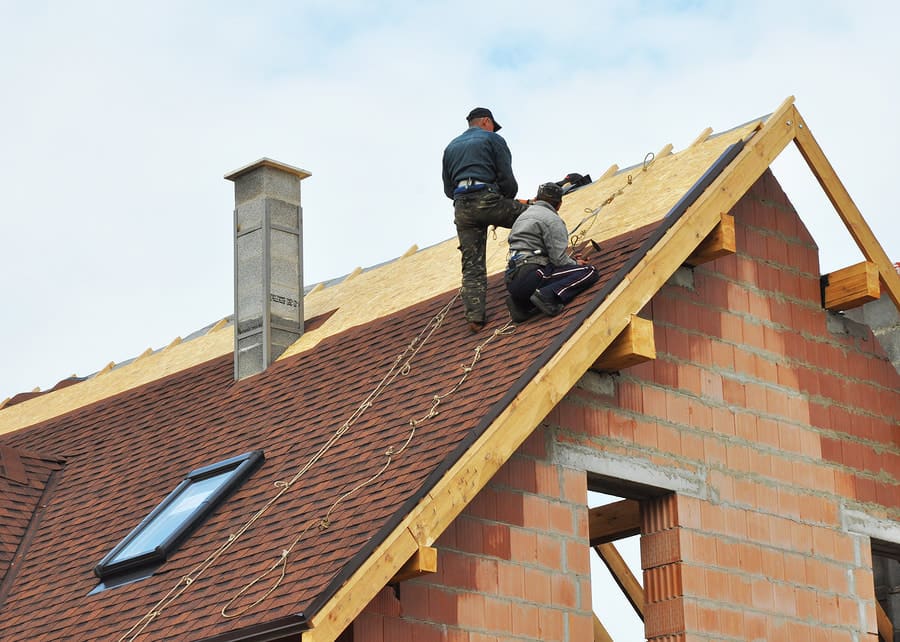
Storm, wind and hail damage roof repair in Spokane WA with slope-by-slope photos, itemized scopes and repair-first options. Call (509) 394-4469.
A strip of shingles in the yard tells you where to look, but quieter storm damage often stays on the roof. Wind can break a seal strip without removing the tab, hail can bruise the mat beneath loose granules, and a branch can crack decking beyond the visible strike. The inspection should record the roof as it sits before cleanup or temporary work erases useful clues.
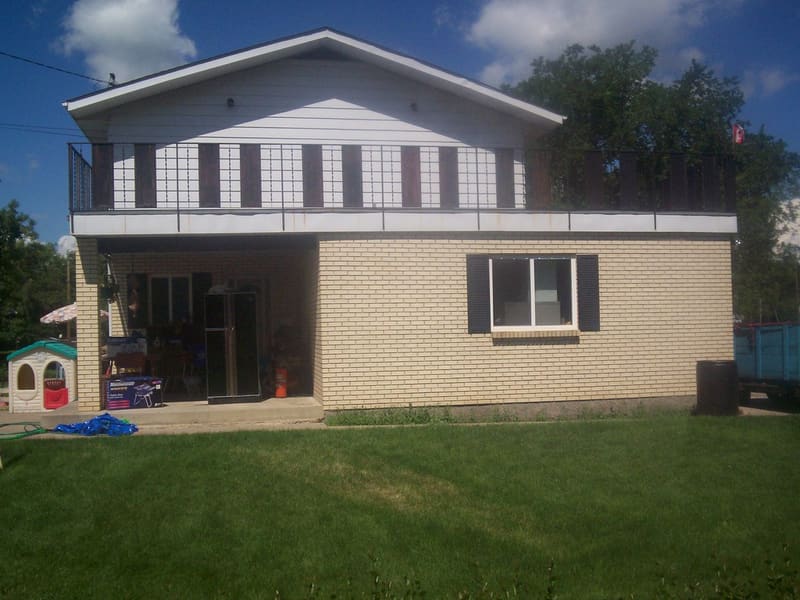
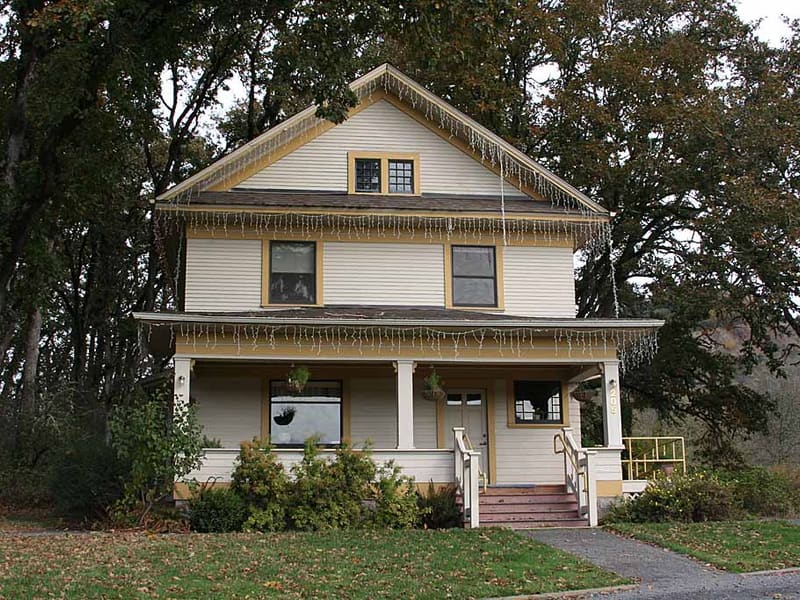
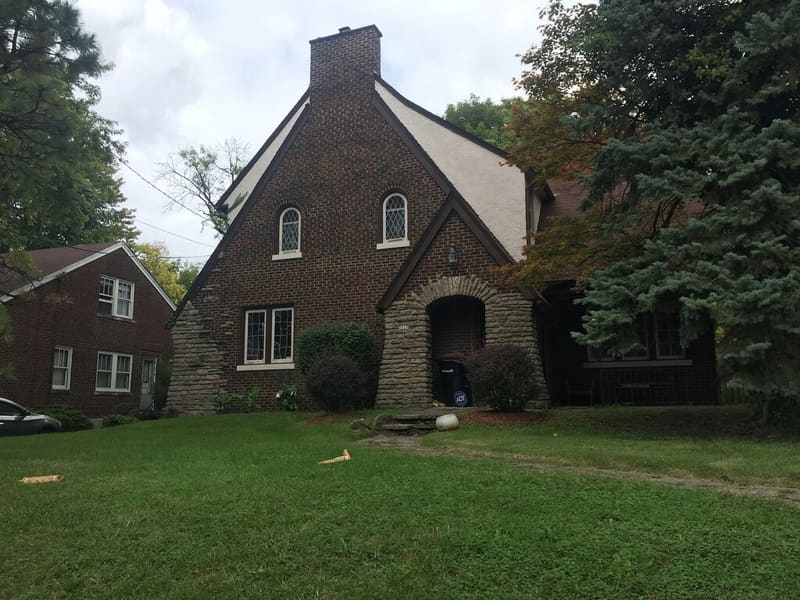
The contractor photographs each affected plane, ridge caps, vents, gutters, other soft metals, siding edges, and any interior moisture. Those observations become an itemized repair or replacement scope. They do not decide insurance coverage. The carrier controls the claim outcome, while the contractor is responsible for describing the material and labor supported by the roof condition.
Wind Opens Edges Before It Removes Shingles
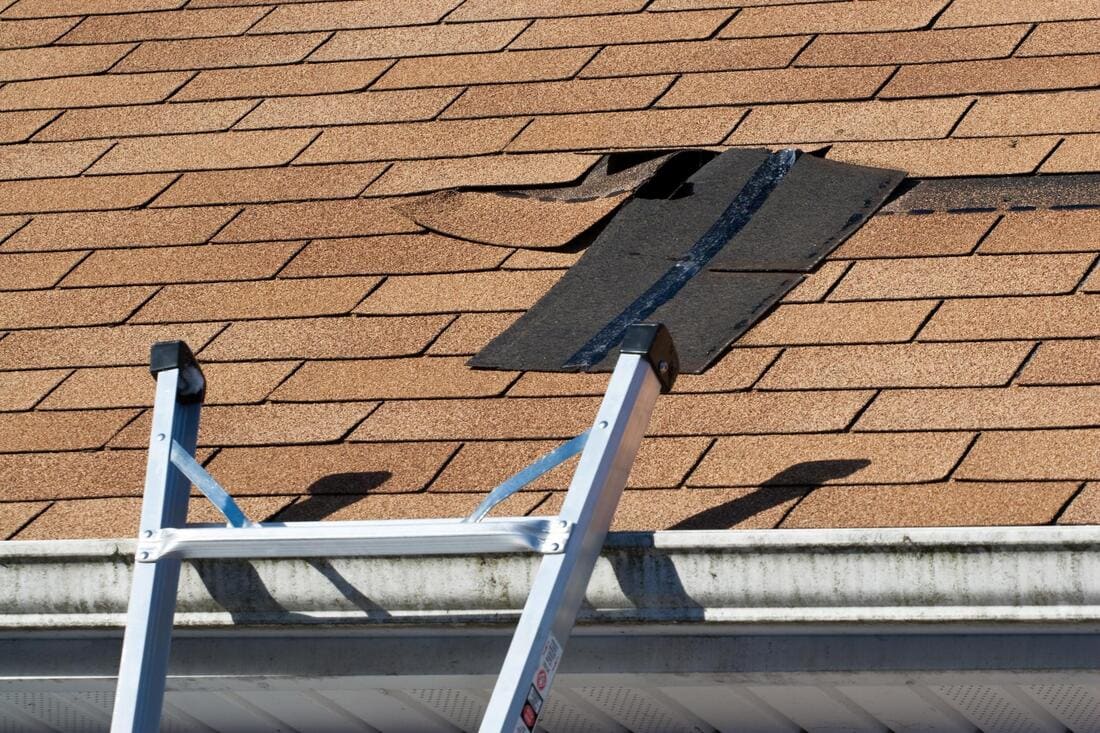
Rake edges, ridge caps, and tabs with weak seal lines take the first pressure. A shingle may lift, crease near its fasteners, and settle back out of alignment without leaving a bare patch. Open lots on the West Plains and exposed Five Mile Prairie slopes can concentrate the effect on one side of the house, which is why every roof plane should not be assigned the same condition by default.
Close photos should show the broken seal, crease, displaced fastener, or missing piece and its position on the plane. A limited line of damaged tabs may support a focused repair when matching material and sound edges remain. Repeated seal failure across a broad surface makes a larger section or replacement discussion more credible.
Hail And Branch Damage Leave Different Evidence
Hail assessment looks for a consistent group of marks: bruised shingle mats, displaced granules, and corresponding dents on vents, gutters, or other soft metals. Branch impact follows a physical path. The strike may split shingles, puncture sheathing, bend flashing, crack siding, or loosen gutter hangers farther down the slope.
Storm debris can create damage after the wind stops. Pine needles and small branches pack valleys, dam runoff, and hold moisture at shingle edges. A complete visit checks drainage and roof-to-wall transitions as well as the most visible impact point, then separates cleanup and maintenance from material that actually needs replacement.
A Storm Scope Should Read Like A Field Record
The proposal should name the slope or elevation, damaged material, quantity, repair boundary, access assumptions, and hidden conditions that could change the price. The contractor may share the photo set or meet an adjuster when that helps explain observed conditions. Homeowners should keep copies of the roof photos, written proposal, and carrier correspondence.
Reject promises of guaranteed approval, deductible waivers, or a free roof. A legitimate contractor can explain the scope and contract terms but cannot make the carrier accept them. The reliable comparison is between documented conditions, the contractor proposal, and the insurer scope, with unanswered differences addressed before work begins.
Storm inspections should document damage before the scope is priced.
For scheduling, call (509) 394-4469.
The contractor confirms roof access, weather timing, photos, scope, and pricing in writing.
Storm & Hail Damage Roof Repair Spokane WA FAQs
How soon should storm damage be inspected?
Active water entry, open decking, tree punctures, and missing roof material deserve prompt triage. A non-leaking concern can usually wait for safe access, but it should still be documented while debris patterns, displaced material, and indoor marks remain clear. Take ground-level and interior photos without climbing. If temporary protection is installed, ask for photos of the opening before it is covered.
Can storm damage be repaired instead of replaced?
Yes. A few missing shingles, one damaged ridge section, or a localized impact can be repairable when adjacent shingles are flexible, matching material is available, and decking remains firm. Replacement becomes more practical when seal failure, impact marks, or wet sheathing extend across a broad area. The inspection should show where the repair boundary would land and why it can or cannot be tied into sound material.
What photos should I take before the visit?
Photograph the house from safe ground positions, any shingles or metal found in the yard, fallen branches, damaged siding or gutters, and each indoor stain. Note when the moisture appeared and whether it is still changing. Do not climb after wind, hail, rain, or snow. Roof-level documentation should be handled by the contractor with safe access and should include wide context views as well as close damage images.
Spokane-area roof requests route to a registered, insured independent Washington roofing
contractor. Calls may be recorded after the required Washington disclosure.