A Cheney leak may be reported by the person standing under it while the owner is somewhere else. College rentals make clear documentation especially useful: the occupant can describe the room and timing, the owner can review roof and attic photos, and the contractor can put urgency, access, and the proposed repair into one written record.
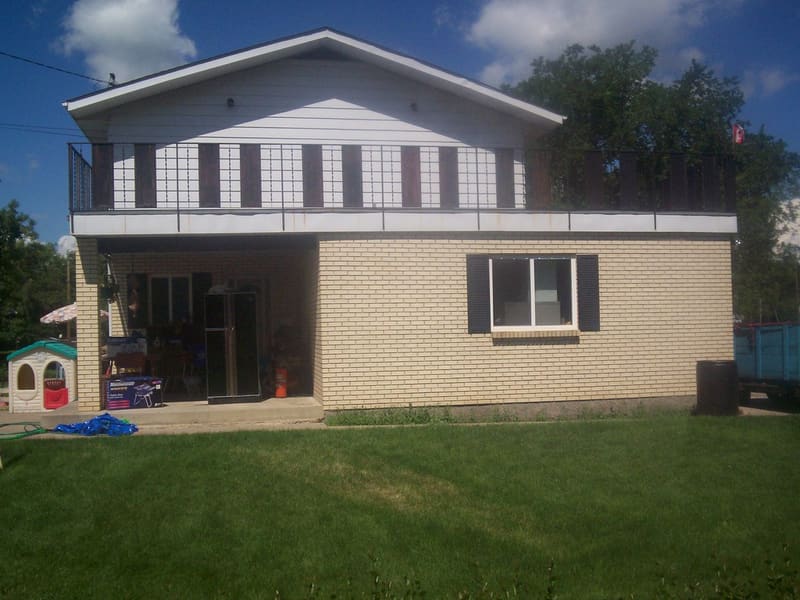
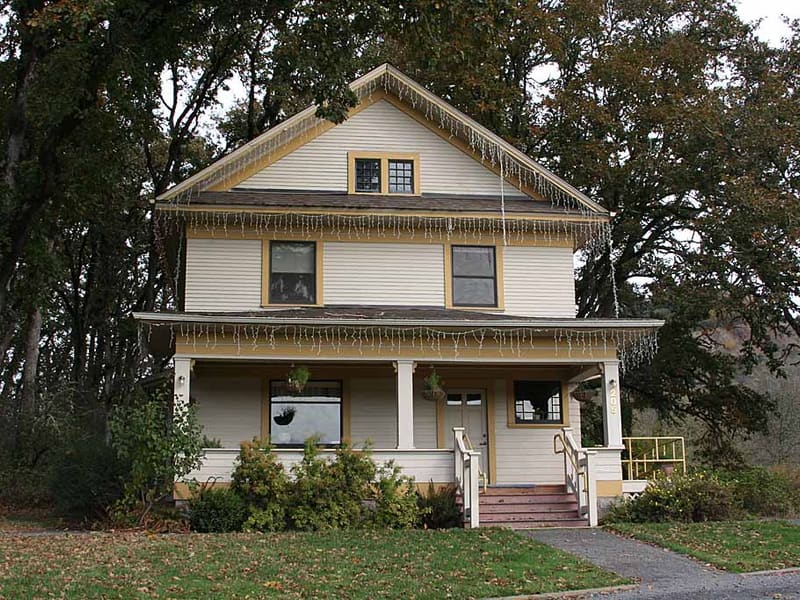
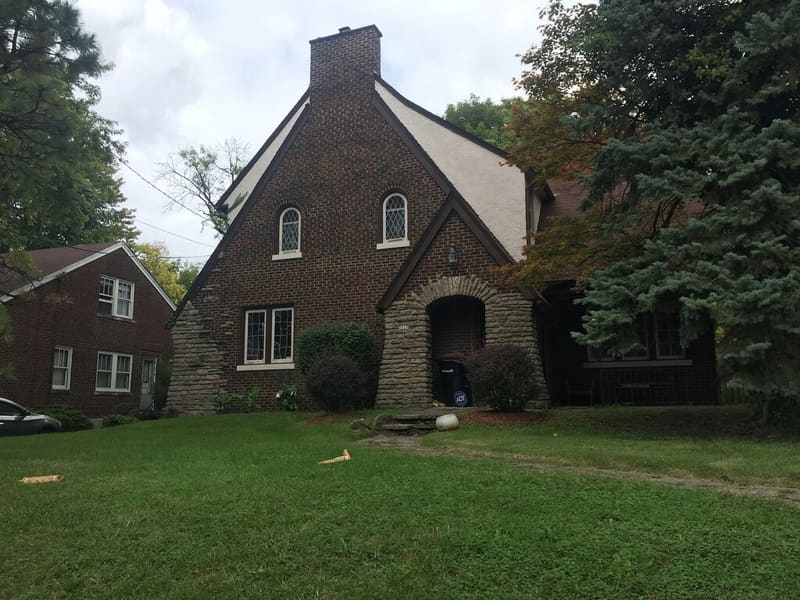
Older houses and rural-edge properties add freeze-thaw flashing gaps, prior patches, additions, and longer access routes to the diagnosis. The visit should connect the tenant or homeowner report with the exact roof plane, show whether decking is involved, and explain whether a localized tie-in can reach sound material.
Build A Roof Record An Off-Site Owner Can Use
Start with indoor context: which room, which wall or fixture, when the stain changes, and who can provide access. Roof photos should include wide views identifying the plane, close views of the failed detail, and any attic moisture that can be reached safely. The proposal should state whether temporary protection, immediate repair, or monitoring is recommended so the owner can act without a sales conversation relayed through a tenant.
Older roofs can contain porch tie-ins, reused flashing, patched valleys, and different materials across an addition. Water may cross one of those junctions and emerge far from it. Opening should stay focused on the evidence, but the contractor must inspect connected transitions before assuming that a visible shingle crack is the only cause.
Plan Rural-Edge Access Before Weather Closes In
Long driveways, drifting snow, gates, livestock or pets, soft shoulders, and limited staging space can change the first visit. Provide the complete address and these conditions when scheduling. The contractor can decide what ladder and vehicle access are practical and whether the inspection belongs in the next safe weather window.
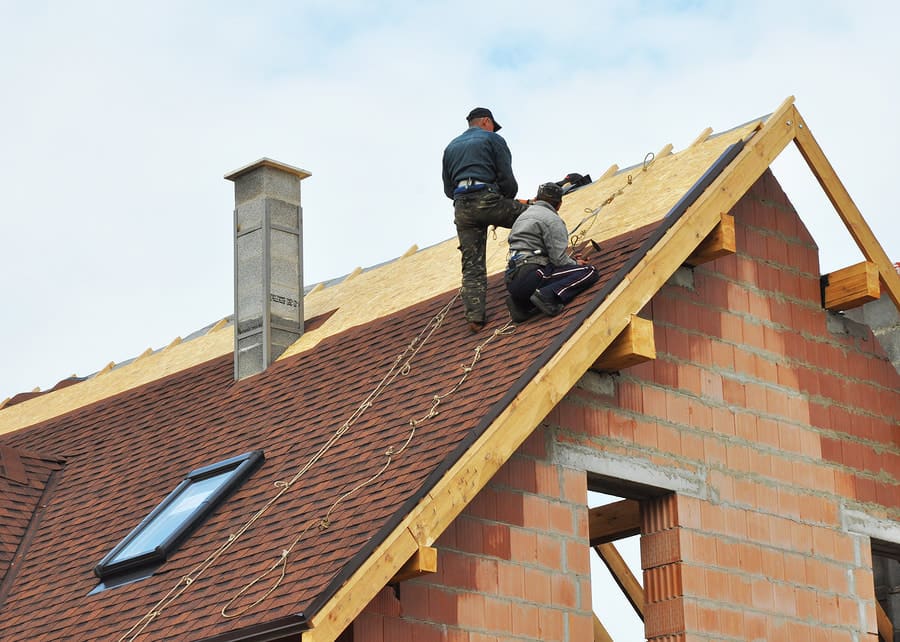
If wind or a branch has opened the roof, an emergency tarp or dry-in may come first and typically falls between $300-$800. That protection is separate from permanent work. After the surface is safe, the contractor can document sheathing, shingles, flashing, or metal details and issue the final repair scope rather than guessing through snow or active weather.
For scheduling, call (509) 394-4469.
The contractor confirms roof access, weather timing, photos, scope, and pricing in writing.