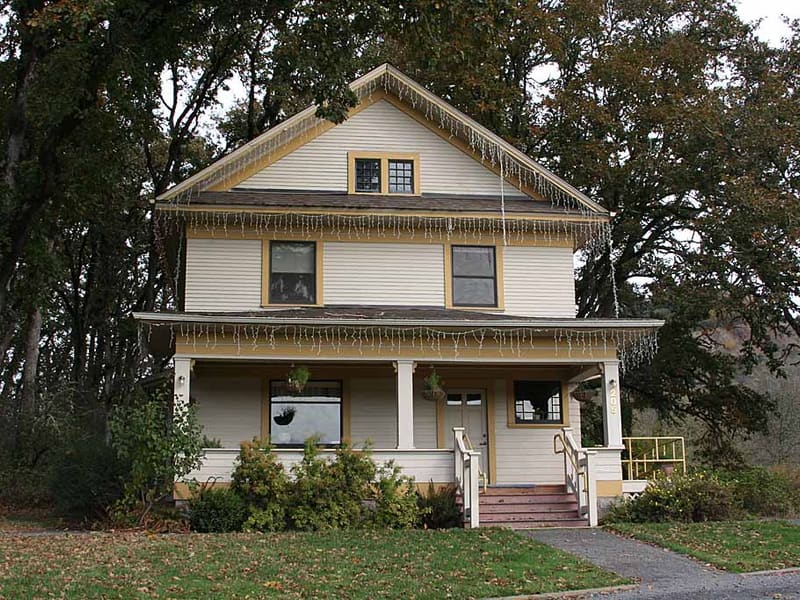
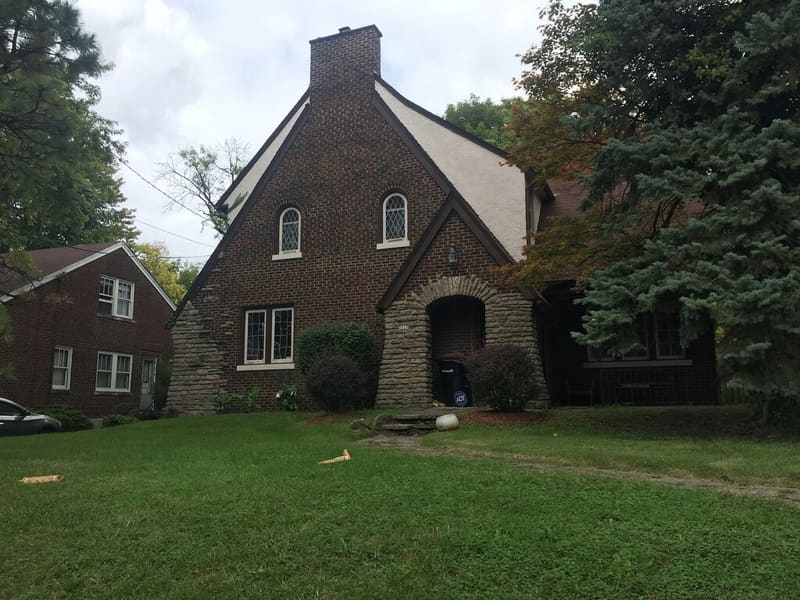
Millwood roof repair often comes down to a crowded transition rather than an open shingle field. Older village homes may have porch roofs, additions, low-slope sections, and reused flashing packed into a compact lot. Mature trees shade those joints and drop debris where the main roof meets a wall or lower roof.
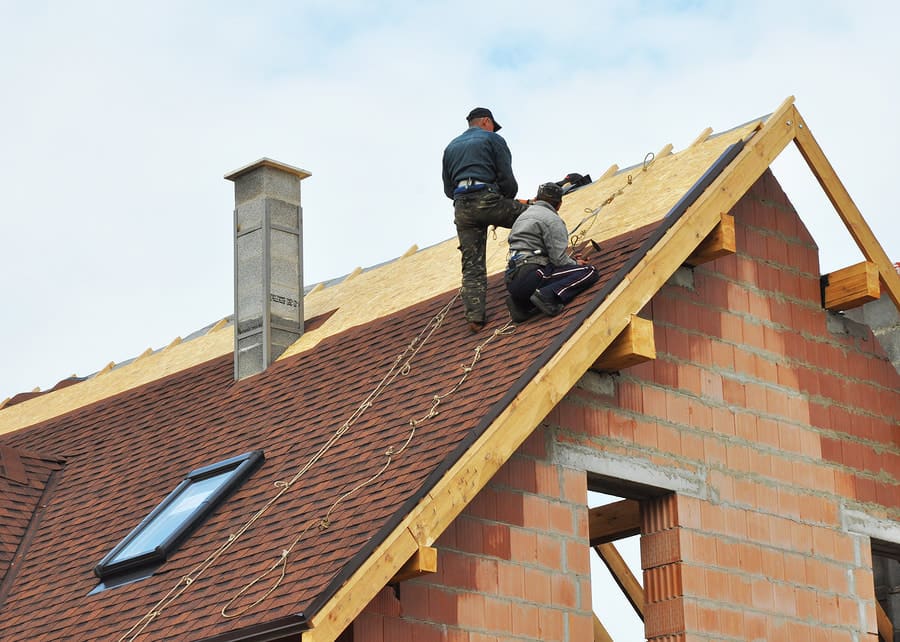
A useful inspection follows moisture across the change in pitch and material. The contractor checks uphill shingles, wall flashing, the low-slope surface, gutters, fascia, and the room below. Compact side yards and nearby structures also need to be considered before ladders, removed material, or repair staging are promised.
Low-Slope Additions Need Their Own Material Logic
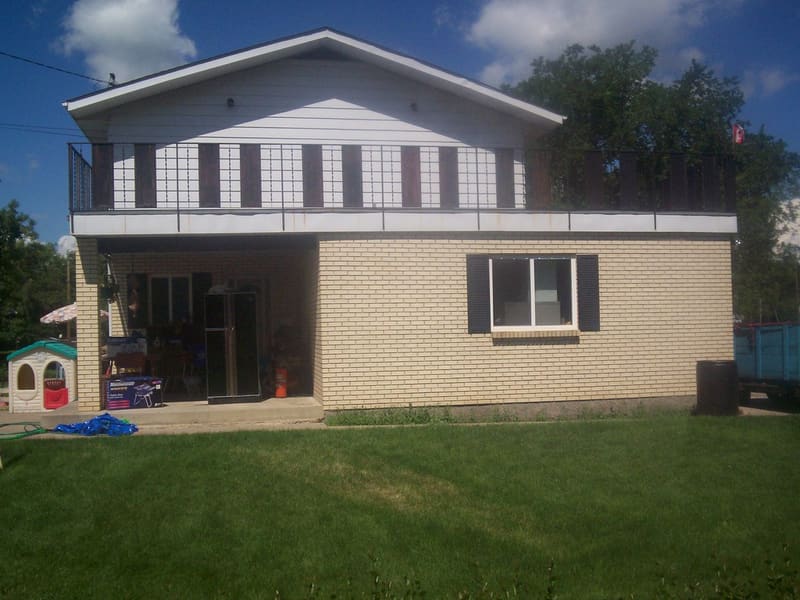
An addition can place a shallow roof beneath a steeper shingle plane, concentrating snow and runoff at the transition. Standard shingles may not handle water on the low section the same way they do higher on the house. The contractor should identify the existing material, seam layout, flashing, and drainage before proposing how the two roofs will be reconnected.
Older repairs may also hide under siding or sealant at porch walls, chimneys, and fascia lines. Photos should show which layer has failed and how far material must be removed to find a dry tie-in. A localized rebuild can still be reasonable when adjacent sheathing and roof surfaces remain firm, even if the detail itself is complicated.
Tree Shade And Tight Lots Slow The Roof Down
Mature trees can scuff shingles, drop limbs, fill gutters, and keep a valley damp after the open side has dried. Spokane River humidity pockets add another reason to inspect shaded material closely. Debris removal may reveal a sound surface, worn granules, loose flashing, or a softened edge; each finding calls for a different scope.
Compact lots affect how debris is lowered, where ladders stand, and whether a sidewall can be reached without crossing a neighbor-facing space. The written proposal should include those access assumptions and state whether gutter, fascia, siding, or low-slope work belongs to the same water path. Separate line items make connected repairs easier to understand.
For scheduling, call (509) 394-4469.
The contractor confirms roof access, weather timing, photos, scope, and pricing in writing.