Roof leak repair in Spokane WA for ice-dam backflow, flashing gaps, split pipe boots, packed valleys and storm openings. Call (509) 394-4469.
A ceiling stain that darkens during a Spokane thaw may begin at the cold eave, travel along a deck seam, cross a rafter, and finally soak through insulation several feet from the opening. A drip beside a light fixture is an indoor symptom, not a roof map. Safe leak repair starts by reconstructing that route before shingles, flashing, or sealant are disturbed.
The contractor asks when the mark grows, which roof plane sits above it, and whether the last moisture followed snowmelt, wind, or rain. The roof surface, nearby penetrations, flashing, and attic evidence are checked together when access allows. That method separates an ice ridge from a split pipe boot or lifted shingle even when all three create the same brown ring.
Start With The Failed Detail, Then Follow Gravity
The first suspects are split pipe boots, step flashing that has pulled from a sidewall, open chimney corners, worn valleys, exposed nails, loose ridge caps, and underlayment left vulnerable by shingle lift. Pine needles can create a second waterline by packing into a valley and pushing runoff sideways. Repeated freezing expands moisture in a narrow gap; the next warm spell turns that gap into an active path.
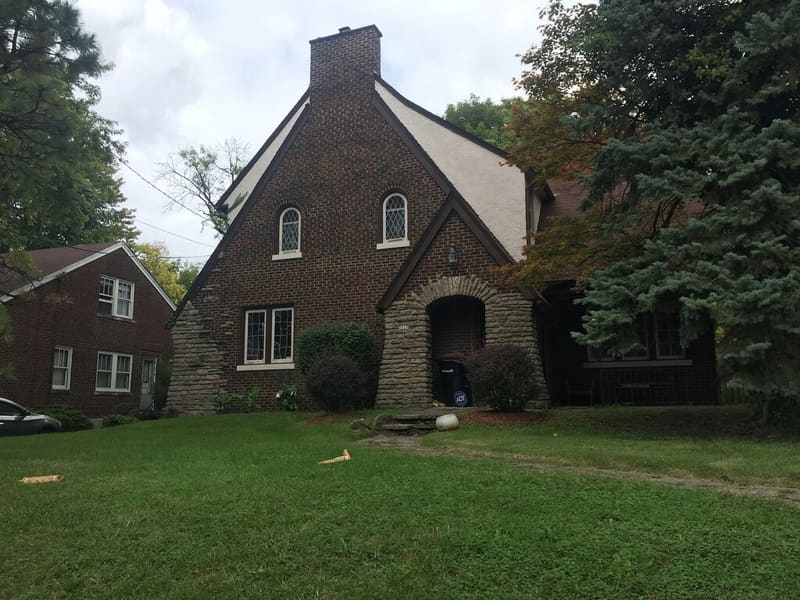
Craftsman bungalows in West Central, Logan, Hillyard, and lower South Hill can hide water behind dormers, porch tie-ins, and close roof-to-wall details. Postwar ranches north of Francis have broader planes and fewer transitions, but one exposed slope may take more dry-season heat or wind than its neighbor. The house shape helps order the inspection; it does not replace direct evidence.
An Ice-Dam Leak Starts Before Water Reaches The Gutter
Heat escaping into the attic can warm snow over the living space while the overhang remains frozen. Meltwater runs downslope, freezes at the eave, and builds a ridge that traps the next flow. Water can then move beneath shingles that still look intact from the ground. The immediate work protects the room and stops entry; the lasting correction may involve damaged roof-edge material, flashing, gutters, ventilation, insulation, or attic air leakage.
A winter proposal should separate a tarp or temporary dry-in from permanent repair. It should also state what the roofer will correct and what requires another trade. Once the surface is safe to open, photos can show whether the edge decking stayed solid or whether repeated wetting has moved the job into a larger section repair.
Use The Surrounding Roof To Set The Repair Boundary
A focused repair is credible when adjacent shingles still flex and seal, the decking is firm, and the opening can be tied back into sound underlayment or flashing. Replacement deserves consideration when shingles break during ordinary handling, leaks recur across separate planes, or wet sheathing extends well beyond one detail. The contractor should show the transition between failed and serviceable material rather than rely on roof age alone.
The inspection photos and written scope belong beside the price. A moderate leak trace or ice-dam repair typically falls in the $600-$1,450 planning range. Work that opens a wider area, replaces damaged sheathing, or rebuilds connected details may reach the $1,500-$4,000 major-section tier. The no-cost inspection confirms which description actually matches the roof.
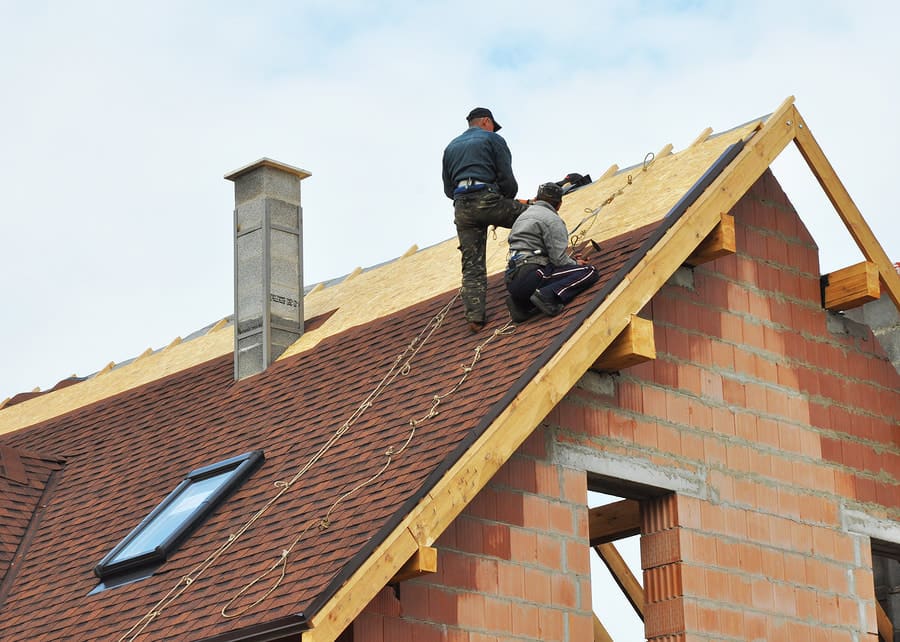
Leak tracing should follow the water path before the repair area is opened.
For scheduling, call (509) 394-4469.
The contractor confirms roof access, weather timing, photos, scope, and pricing in writing.
Roof Leak Repair Spokane WA FAQs
Why does my Spokane roof leak only during snow melt?
A thaw produces a sustained sheet of water in places that ordinary rain may not reach. An ice ridge can hold that water at the eave, while attic heat loss keeps feeding melt from higher on the slope. Failed roof-edge flashing, a deck seam, or a small opening beneath the snow can then become active. The inspection should review both the entry point and the attic or drainage conditions that made it repeat.
Can a ceiling stain be traced without tearing up the whole roof?
In many cases, yes. The contractor compares the stain location with the roof geometry, nearby boots and flashing, attic moisture patterns, and the weather that activates the leak. Opening material is reserved for the area supported by those clues. If the first inspection cannot isolate the path, the written scope should explain the next diagnostic step instead of pricing a broad tear-off by guesswork.
Should I climb up and clear the snow myself?
Stay off a snow-covered or icy roof. Move furniture and valuables from the drip path, use a container where it is safe, photograph indoor conditions, and keep people away from wet electrical areas. Call with the roof height, access, and whether water is still moving. The contractor can decide whether conditions permit a dry-in or whether the safest step is indoor containment until access improves.
Spokane-area roof requests route to a registered, insured independent Washington roofing
contractor. Calls may be recorded after the required Washington disclosure.