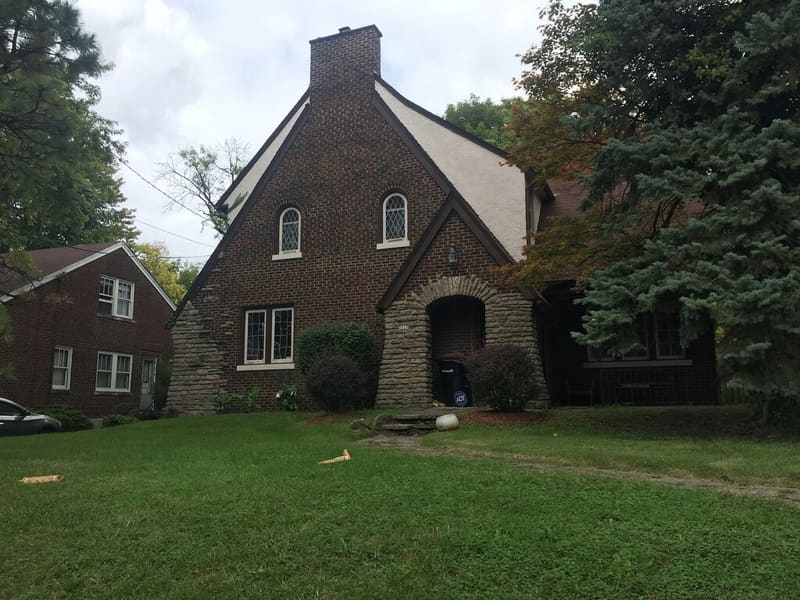
Newer Liberty Lake subdivisions often pair steep shingle planes with dormers, intersecting valleys, and tall rear elevations. Those shapes move snow unevenly. A valley or lower transition can hold a drift while an adjacent plane sheds cleanly, and meltwater may test one flashing joint for days before a ceiling stain appears.
Roof age alone does not settle the diagnosis. Lake-area wind can break a shingle seal, a boot can split, or a wall transition can be installed poorly while the rest of the field remains sound. The inspection should account for the collection point, the height needed to reach it, and whether the opening is isolated to one detail.
Complex Rooflines Concentrate Snow And Water
Intersecting slopes direct runoff into valleys and against dormer sidewalls. Snow sliding from a high plane can settle behind a projection or at a lower roof, then refreeze at a colder edge. The contractor should inspect the uphill source, the collection zone, flashing, underlayment, and drainage rather than patch only the indoor stain line.
Ventilation clues belong in the review when ice repeatedly forms along the same eave. Roofing work can restore damaged edge material and flashing, while attic heat loss or insulation may require separate correction. A written scope should identify those limits so a shingle repair is not presented as a guarantee against every future ice ridge.
Steep Access Changes Labor Before Material Changes
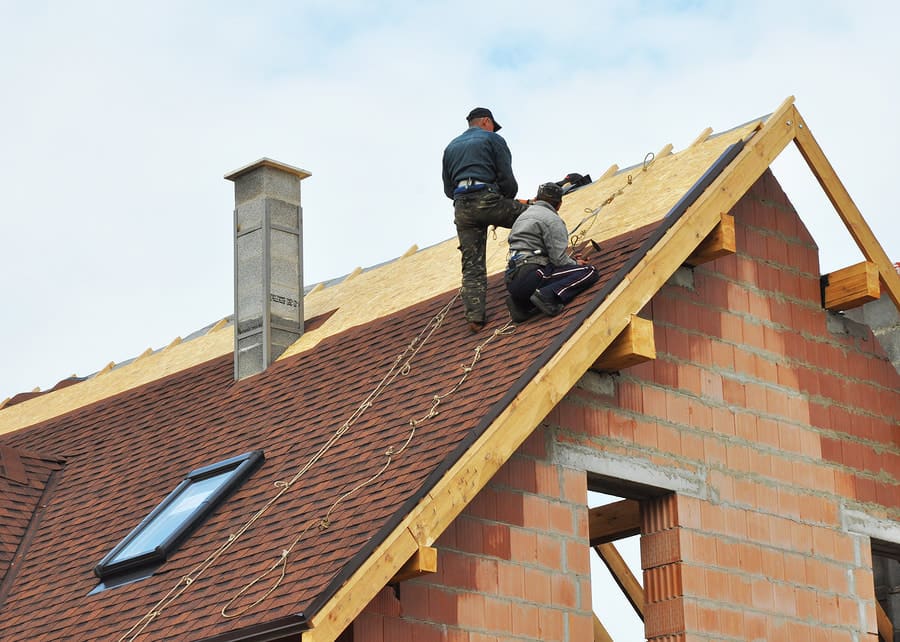
A small pipe boot remains a limited material repair, but a steep slope or two-story rear grade can add staging and safety setup. Valley and dormer work may require a wider opening so flashing and underlayment can be tied into dry material without damaging adjacent shingles. The contractor should view both the street and rear approach before finalizing access assumptions.
Minor shingle, boot, or flashing work typically falls between $275-$650; moderate leak tracing and ice-dam repair generally falls between $600-$1,450. The no-cost inspection confirms which scope applies. Photos, roof height, staging, damaged-decking assumptions, cleanup, and weather limits should appear in the proposal before the date is scheduled.
For scheduling, call (509) 394-4469.
The contractor confirms roof access, weather timing, photos, scope, and pricing in writing.